The Book Thief
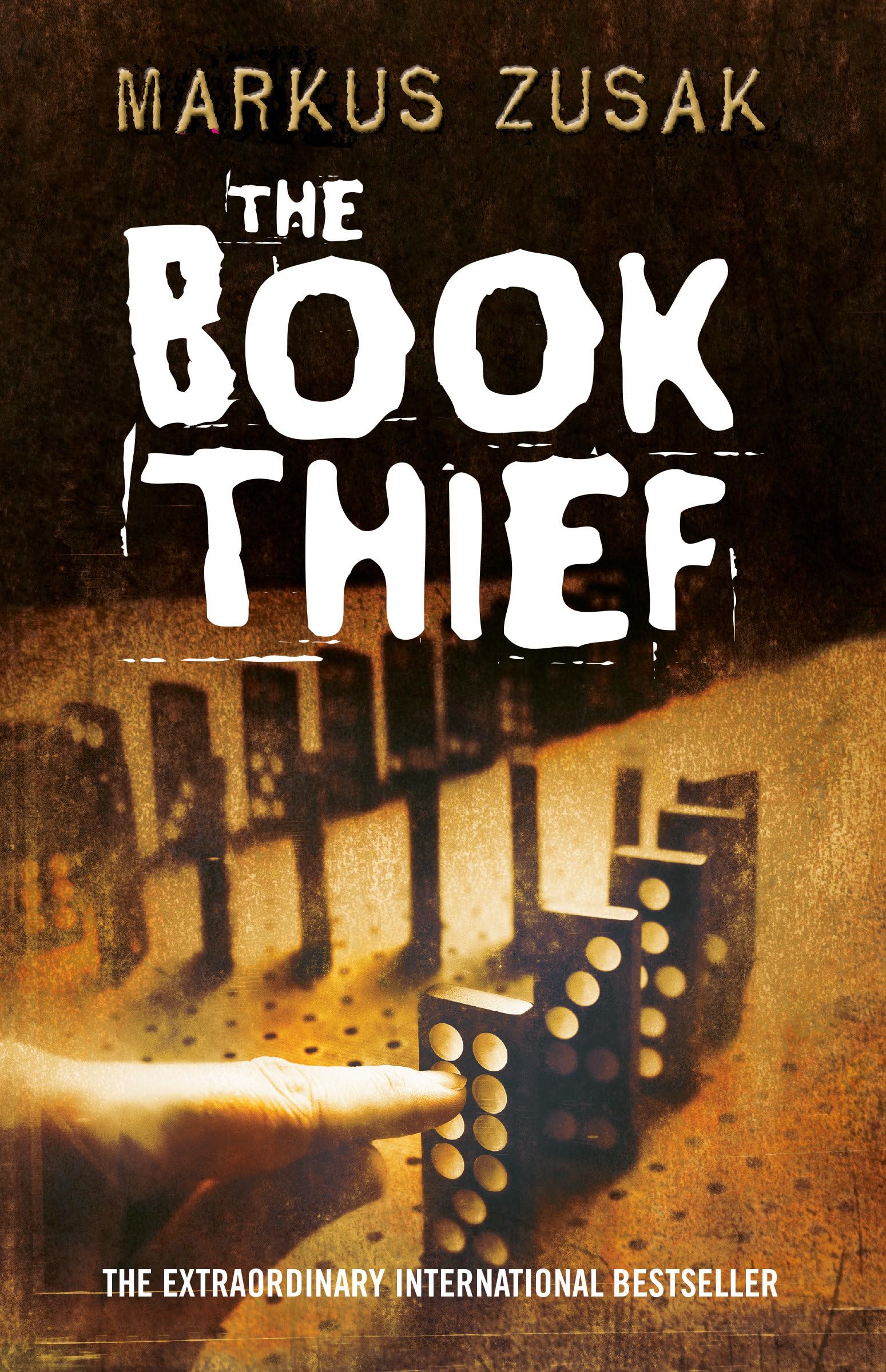
The Book Thief by Markus Zusak is a profoundly moving novel set in Nazi Germany during World War II, narrated from the unique perspective of Death. The story follows Liesel Meminger, a young girl sent to live with a foster family in the small town of Molching. Through her experiences, we witness the daily struggles and moral choices of ordinary Germans living under the oppressive Nazi regime. Themes of fear, propaganda, and the abuse of power are juxtaposed with the resilience of the human spirit, the courage of those who resist, and the bonds of love and friendship that endure even in times of profound hardship.
Historically, the novel captures Germany in the 1930s and 1940s, highlighting the social and political pressures of a totalitarian state. Zusak emphasizes the impact of war not just on soldiers and leaders but on civilians, children, and marginalized groups, particularly the Jewish population. The cultural context—strict social hierarchies, widespread conformity, and the pervasive influence of Nazi ideology—is central to understanding the characters’ motivations and the moral dilemmas they face.
Liesel’s relationship with her foster parents, Hans and Rosa Hubermann, reveals acts of quiet heroism and compassion, while her friendship with Rudy Steiner adds warmth and humor amid a bleak reality. The hidden Jewish refugee, Max, represents the human cost of persecution and the courage required to protect the innocent. The novel also explores the transformative power of literacy: Liesel’s theft of books becomes both an act of defiance and a source of personal and emotional growth.
The novel’s cinematic adaptation, The Book Thief (2013), starring Sophie Nélisse, Geoffrey Rush, and Emily Watson, translates Zusak’s lyrical prose into a visual medium. While the film condenses some narrative elements, it effectively conveys the emotional intensity, the tension of the era, and the intimate human stories at the heart of the book. Watching the film after reading the novel highlighted the careful layering of historical accuracy, personal storytelling, and visual symbolism that both media share.
Reading The Book Thief was a deeply reflective experience. It made me consider the weight of words, the moral responsibilities of individuals in oppressive societies, and the quiet heroism found in acts of compassion. I was struck by how literature and storytelling themselves are powerful forms of resistance, capable of preserving memory, shaping identity, and offering solace. The novel left me with a renewed awareness of empathy, the fragility of social systems, and the enduring impact of personal courage, reminding me that even in the darkest times, small choices can have profound consequences.