The Great Gatsby
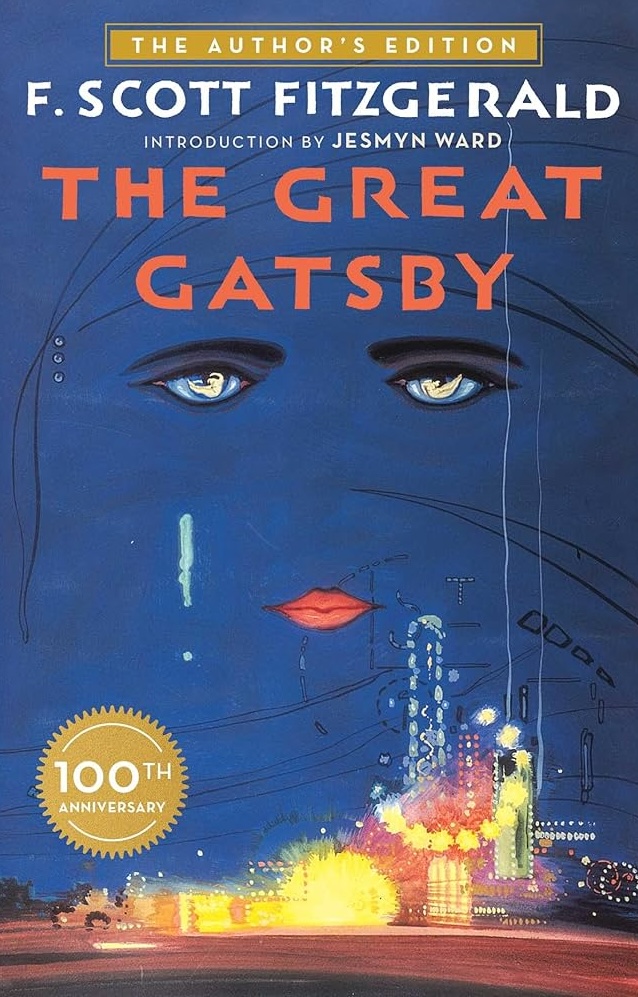
The Great Gatsby by F. Scott Fitzgerald is a luminous and tragic portrait of the Jazz Age in Long Island and New York City during the roaring 1920s. The novel centers on Nick Carraway, a young man from the Midwest, and his encounters with the mysterious millionaire Jay Gatsby, whose extraordinary wealth and legendary parties conceal an unwavering obsession: the love of Daisy Buchanan.
The story intricately traces Gatsby’s relentless pursuit of Daisy, who is married to the privileged yet morally careless Tom Buchanan. From the dazzling opulence of Gatsby’s mansion to the quiet melancholy of his longing by the dock, Fitzgerald reveals the fragility of dreams and the cost of desire rooted in nostalgia. Key events—the extravagant gatherings, Gatsby’s clandestine meetings with Daisy, and the tragic unraveling of his illusions—underscore the collision between aspiration and harsh reality.
Fitzgerald situates the narrative in a society of excess and transformation: Prohibition, economic prosperity, and cultural experimentation frame the backdrop, highlighting both the allure and moral ambiguity of wealth. The green light at the end of Daisy’s dock emerges as a central symbol, representing the tension between hope and unattainable ideals, and illuminating the novel’s exploration of yearning, ambition, and the impossibility of recapturing the past.
Experiencing The Great Gatsby in its original English, Fitzgerald’s sentences revealed themselves as a careful orchestration of rhythm, silence, and suggestion. The prose carries the reader through roaring parties and tender moments of introspection alike. The green light ceases to be merely a symbol; it pulses as the emotional heartbeat of the narrative, embodying the persistent, unreachable desire that defines Gatsby’s life. In this light, every gesture, every word exchanged, gains resonance, shaping a world where the personal and the societal are inextricably linked.
The 2013 film adaptation, directed by Baz Luhrmann and starring Leonardo DiCaprio, translates Fitzgerald’s vision into a vivid, sensory spectacle. DiCaprio’s performance is remarkable: his portrayal of Gatsby conveys both charm and fragility, capturing the ache of longing behind the glittering façade. Watching him inhabit Gatsby’s hopes and disappointments, one senses the human cost of dreams deferred, and the luminous intensity of desire striving toward an ever-distant light.
The novel left a lasting impression on me—not simply as a story of wealth and romance, but as an exploration of the human condition. Gatsby’s unyielding quest for the unattainable became a mirror reflecting the ways we chase ideals, how memory and desire shape our perception of reality, and how the pursuit of a “green light” can both illuminate and blind. It is a meditation on hope, loss, and the fragile architecture of our own dreams, lingering long after the final page is turned.