The Picture of Dorian Gray
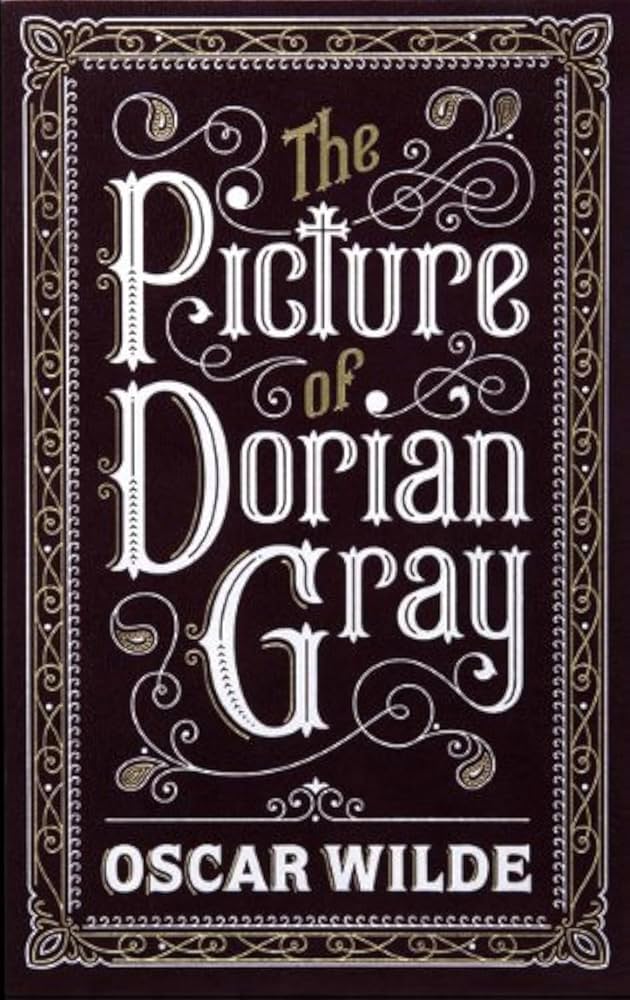
The Picture of Dorian Gray by Oscar Wilde is a profound exploration of beauty, morality, and the human fascination with eternal youth, set in the polished yet morally ambivalent world of late 19th-century London. The story follows Dorian Gray, a young man whose striking appearance inspires the artist Basil Hallward to create a portrait capturing his essence. Influenced by the hedonistic philosophy of Lord Henry Wotton, Dorian wishes that his portrait, rather than himself, would age and bear the marks of sin, allowing him to pursue a life of indulgence without visible consequence.
The narrative charts Dorian’s descent into moral corruption. His early infatuation with the innocent actress Sibyl Vane ends tragically, marking the first ripple of destruction that his vanity and selfishness will cause. As years pass, Dorian becomes increasingly enmeshed in London’s decadent social circles, engaging in manipulation, cruelty, and hedonistic excess. Meanwhile, his portrait silently accumulates the scars of his actions: the pallor of his conscience made manifest in grotesque imagery. Key events, including the betrayal of friends, the accumulation of secret sins, and the final confrontation with the painting, reveal the profound consequences of living without accountability.
The portrait functions as a powerful symbol of conscience and moral consequence. It externalizes guilt, shame, and the inescapable weight of actions deferred. Wilde situates the story within the social fabric of Victorian England, a society obsessed with appearances, reputation, and propriety. Through Dorian, the novel interrogates the tension between outward beauty and inner decay, between the pursuit of pleasure and the responsibility of ethical living. The story resonates beyond its historical context, offering enduring reflections on human susceptibility to charm, manipulation, and self-delusion.
What struck me most was the way Wilde captures the subtle interplay between desire, fear, and identity. The story compels reflection on the choices that define character and the price of prioritizing aesthetic and sensual gratification above conscience. Dorian Gray’s life, seemingly glamorous, is undercut by the inescapable truths contained in the portrait—reminders that no surface beauty can shield the soul from decay. It made me reconsider how easily we are seduced by appearances and the ways in which personal vanity can blind us to ethical imperatives.
The novel also serves as a window into Wilde’s own preoccupations with art, society, and the double standards of morality. Reading it, I felt a tension between admiration for the beauty and elegance of Dorian’s world and discomfort at its ethical vacuity. It prompted a meditation on the complexity of human desire, the cost of avoiding responsibility, and the often unseen consequences of our actions. The story lingers in the mind, a meditation on morality, identity, and the fragile interplay between appearance and reality, leaving a quiet echo of introspection long after the final page.