La Sombra del Viento
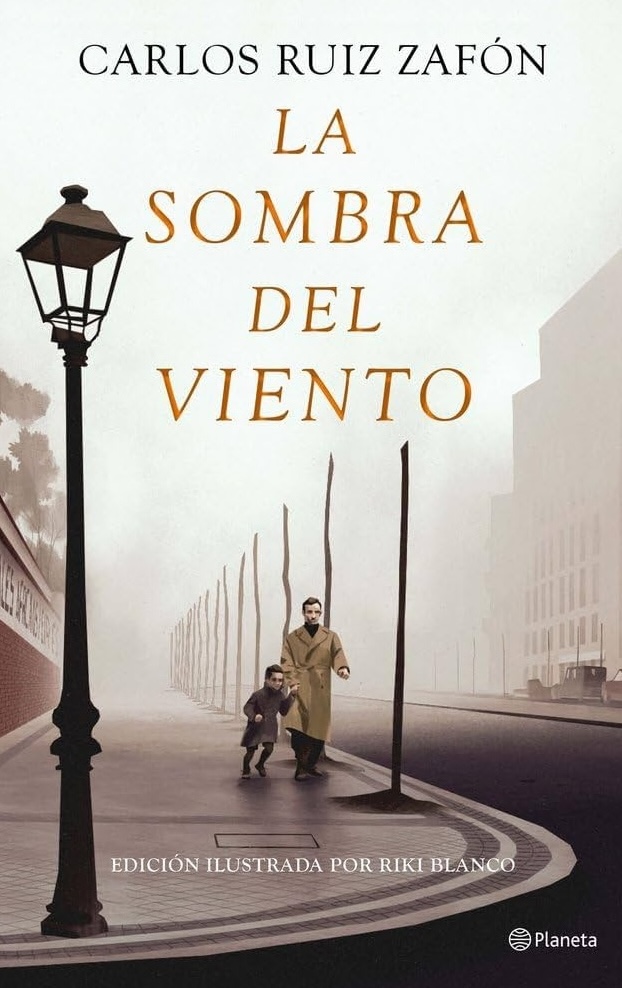
La Sombra del Viento (The Shadow of the Wind) by Carlos Ruiz Zafón is a mesmerizing and multi-layered novel set in post-war Barcelona. The story begins when the young Daniel Sempere is taken by his father to the Cemetery of Forgotten Books, a labyrinthine library where forgotten titles are preserved. Daniel selects La Sombra del Viento by Julián Carax, only to discover that someone has been systematically destroying every copy of Carax’s works. Intrigued and disturbed, Daniel embarks on a quest to uncover the author’s mysterious past.
The novel unfolds as a rich tapestry of intrigue, love, betrayal, and literary obsession. Daniel navigates a web of characters: the enigmatic and tragic Carax, the dangerous inspector Fumero, the beguiling Bea, and his loyal friend Fermín Romero de Torres. The narrative spans decades, blending mystery with romance and exploring the long shadows cast by family secrets and political turmoil in 20th-century Barcelona. Key events include Daniel’s investigations into Carax’s life, uncovering tragic love affairs, acts of vengeance, and the connections between the city’s dark alleys and its literary history.
Zafón weaves history and fiction seamlessly. The novel situates readers in a Barcelona scarred by the Spanish Civil War and its aftermath, where fascist repression and social unrest shape the characters’ lives. Cultural references to literature, music, and the architecture of the city enrich the narrative, while the recurring motif of books and storytelling emphasizes memory, identity, and the enduring power of narrative itself. The interplay between the innocence of youth and the moral ambiguities of adulthood renders the story emotionally intricate and intellectually compelling.
One striking aspect of reading La Sombra del Viento in Spanish was how language itself conveys the atmosphere of the city—the cadence, the metaphors, and the lyrical tension in Zafón’s prose add an extra dimension that translations can only approximate. Experiencing the book in its original tongue allowed me to feel the rhythm of Daniel’s emotions, the urgency of his discoveries, and the shadows that haunt every corner of Barcelona.
What stayed with me most is the meditation on memory, legacy, and the ways our choices reverberate across time. This is not a conventional coming-of-age tale: it is a story where curiosity becomes responsibility, where love is inseparable from danger, and where the act of reading and preserving stories becomes an ethical as well as emotional commitment. Walking through the pages, I felt a constant tension between wonder and melancholy—between the desire to uncover truths and the knowledge that some truths carry irrevocable pain. The novel left me reflecting on the lives of others, the hidden histories we carry in books and memories, and how each person’s story is intertwined with broader historical currents.
Esta historia no solo habla de misterio y amor, sino también de cómo los libros y la memoria dan forma a nuestra identidad. Cada calle, cada personaje, cada secreto descubierto me hizo sentir la fuerza de Barcelona como un lugar donde la historia y la literatura se entrelazan con la vida personal. En cierto modo, me recordé de que somos, también, el resultado de las historias que leemos y atesoramos, y que preservar y compartir estas historias es una manera de afirmar quiénes somos y de qué manera queremos comprender el mundo.