The Circle
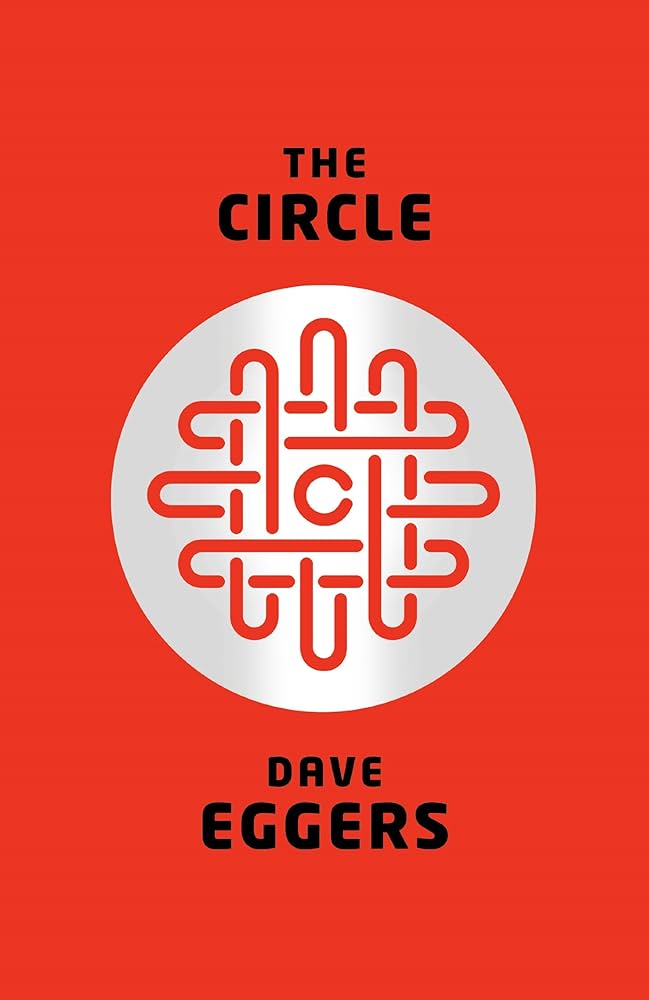
The Circle by Dave Eggers follows Mae Holland, a young and ambitious employee who joins a powerful tech conglomerate that dominates social media, surveillance, and online culture. Initially excited by the company’s promise to “make the world more transparent,” Mae is gradually exposed to the darker implications of constant monitoring, social pressure, and corporate control. As she rises through the ranks, the novel explores how technology can amplify both connection and manipulation, and how idealism can be exploited to normalize surveillance.
Eggers creates a plausible near-future society, highlighting ethical questions surrounding privacy, consent, and the trade-off between convenience and autonomy. The book examines the seductive allure of technological utopias, peer influence in shaping behavior, and the tension between individual freedoms and collective accountability. It is not only a cautionary tale about corporate overreach but also a reflection on our real-world complicity in digital ecosystems.
Reading The Circle was both unsettling and thought-provoking. Mae’s journey prompted me to examine my own relationship with technology and social media, and to consider how daily habits and digital choices affect personal freedom and social behavior. The novel made me reflect on the fine line between helpfulness and control, and how societal pressures can make surveillance appear benign. It also reminded me that ethical awareness and critical thinking are essential in navigating both personal and professional digital landscapes. The story resonated with me because it underscores how easily progress and innovation can be co-opted to serve broader agendas, making readers question the cost of convenience and transparency.
The 2017 film adaptation, starring Emma Watson as Mae and Tom Hanks as the enigmatic CEO, captures the novel’s tension and high stakes with remarkable performances. Watson brings depth and nuance to Mae’s transformation, conveying the excitement, moral conflict, and eventual disillusionment of her character. Hanks delivers a compelling portrayal of corporate charisma and subtle menace, embodying the seductive power of technology. While some narrative complexity is necessarily streamlined in the movie, the adaptation effectively visualizes the pervasive atmosphere of surveillance and social scrutiny, and adds a visceral dimension to the ethical dilemmas presented in the book.
The Circle is a layered exploration of technology, ethics, and human behavior. Both the novel and its film adaptation encourage reflection on the digital world we inhabit, prompting questions about transparency, privacy, and our role in shaping the societies we create. For anyone interested in contemporary issues of tech ethics and social dynamics, this is a thought-provoking read—enhanced further by a film that vividly brings the narrative to life.