The Da Vinci Code
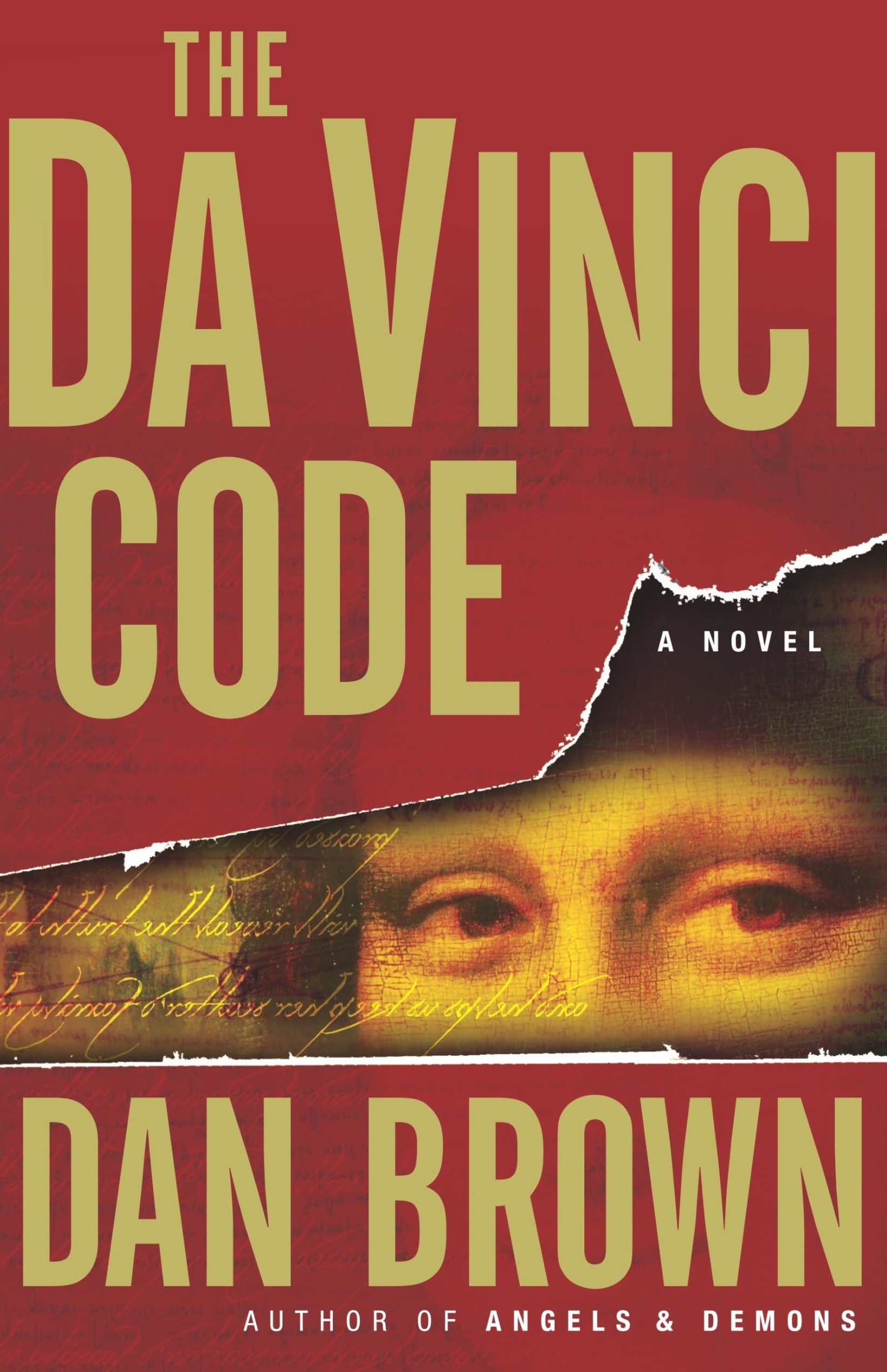
The Da Vinci Code by Dan Brown is a fast-paced thriller that entwines art, religion, and history into a web of conspiracy and intrigue. The story follows Robert Langdon, a Harvard symbologist, who is unexpectedly drawn into a murder investigation at the Louvre. Alongside cryptologist Sophie Neveu, Langdon deciphers a series of enigmatic codes left by the murdered curator, leading them on a chase across Paris and beyond, uncovering hidden secrets related to the Holy Grail, secret societies, and the role of Mary Magdalene in early Christianity.
The plot is layered with puzzles, anachronisms, and historical references, alternating between high-stakes action and meticulous decoding. Key scenes include the discovery of the curator’s body, the unveiling of an elaborate anagram, the exploration of Rosslyn Chapel, and the tension-filled confrontations with shadowy adversaries. Brown immerses the reader in a narrative that challenges assumptions about history, faith, and the power of knowledge. The story raises provocative questions about the intersections of religion, secrecy, and human ambition, all while maintaining a relentless narrative pace.
The novel is rich in symbolism. From Leonardo da Vinci’s “Last Supper” to the intricate carvings in Rosslyn Chapel, each artifact, painting, and code carries layers of meaning that intertwine art, theology, and history. The legend of the Holy Grail, central to the story, is reinterpreted as both a spiritual and historical symbol: traditionally a sacred chalice, it becomes in Brown’s narrative a metaphor for hidden knowledge, divine lineage, and the preservation of secrets across centuries. The book invites reflection on the interplay of myth and reality, showing how symbols can encode social, religious, and personal truths, and how their interpretation shapes both belief and action.
Culturally and historically, the novel engages with European art and history—from Renaissance masterpieces to medieval cryptography—while exploring the myths and controversies surrounding the Catholic Church. Brown’s work invites reflection on how narratives of power, tradition, and hidden knowledge can shape collective belief and personal perception. The juxtaposition of historical fact, artistic interpretation, and speculative theory creates a rich backdrop that enhances both the mystery and the intellectual allure of the story.
The narrative also prompted personal reflection on the ways humans seek meaning and authority in symbols and stories. Langdon and Sophie’s journey illuminated for me the tension between inherited belief systems and the desire for personal understanding. The novel made me reconsider the seductive power of secrets, the ethical dimensions of revelation, and the ways in which our understanding of history can influence identity and morality. Beyond the thriller aspect, it is a meditation on curiosity, faith, and the responsibility that comes with uncovering hidden truths.
The Da Vinci Code has been adapted into the 2006 film directed by Ron Howard starring Tom Hanks as Robert Langdon and Audrey Tautou as Sophie Neveu. Hanks’ performance captures Langdon’s analytical and reflective temperament, while the film brings to life the tension, pace, and visual intricacies of Brown’s narrative. Watching it, I was struck by how the interplay of light, shadow, and architecture translated the intellectual thrill of the book into a cinematic experience, highlighting both the wonder and danger of uncovering hidden truths.