La Casa de los Espíritus
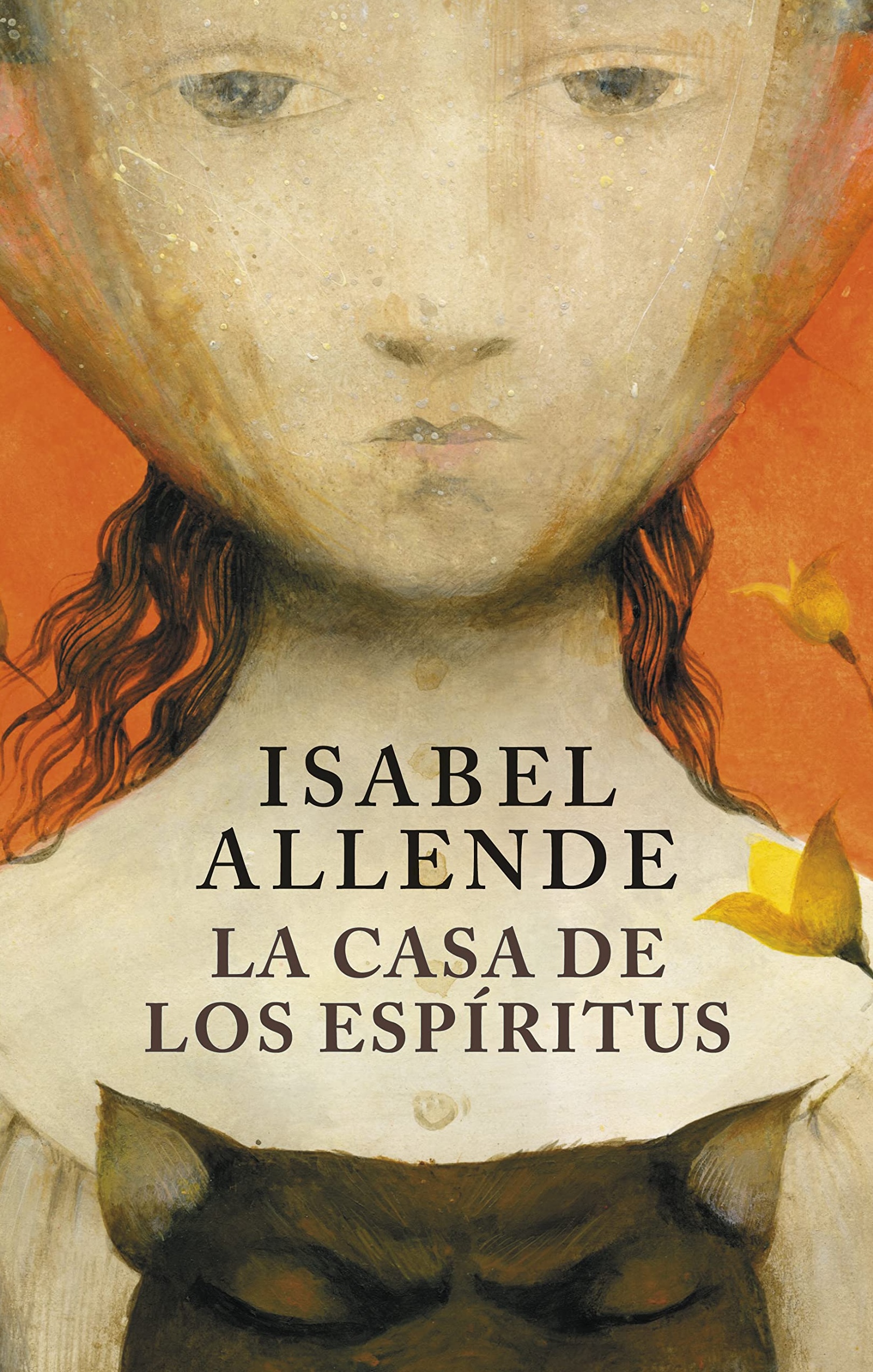
La Casa de los Espíritus by Isabel Allende unfolds as a generational epic set against the turbulent backdrop of 20th-century Chile, weaving together family drama, political upheaval, and the whispers of the supernatural. The novel chronicles the Trueba family over several decades, beginning with the rise of Esteban Trueba, a man of ambition and cruelty, and Clara, whose ethereal presence and clairvoyant abilities lend a magical texture to the narrative. As their children and grandchildren navigate love, betrayal, and destiny, the story mirrors the shifting social and political landscape of Chile, from agrarian inequalities and entrenched class hierarchies to the tremors of revolution and authoritarianism.
Allende alternates intimate domestic scenes with sweeping historical events, capturing both the minutiae of daily life and the weight of societal transformation. Clara’s ability to perceive the unseen—her “espíritus”—casts a spell over the narrative, illustrating how memory, intuition, and spiritual connection shape the family’s trajectory. The book does not shy away from darkness: the exploitation of peasants, patriarchal control, and political violence pervade the Trueba household and the nation at large, providing an unflinching lens on systemic injustice and human resilience.
What struck me most is how Allende threads history into the personal: the coups, the political repression, and the social unrest are not mere backdrop but actively shape the characters’ decisions, hopes, and traumas. Scenes of festive gatherings, domestic routines, or clandestine romances coexist with episodes of brutality, reflecting Chile’s contradictions and tensions. La prosa de Allende tiene un ritmo que envuelve, donde lo poético y lo político se entrelazan, mostrando que el destino de una familia nunca está separado del destino de un país.
Reading this story elicits a strange intimacy with both the characters and their world. One feels the weight of generations, the persistent echoes of guilt, love, and revenge. Me quedé pensando en cómo las decisiones de Esteban y los silencios de Clara repercuten en cada descendiente, recordándome que la historia personal y la colectiva se escriben juntas. The novel lingers because it resists closure: the spirits, both literal and figurative, inhabit the spaces between chapters, between memory and imagination, forcing reflection on how past injustices and legacies shape our present understanding.
La Casa de los Espíritus is more than historical fiction or magical realism; it is a meditation on memory, ethics, and the impermanence of power. It reminds us that even in a world scarred by inequality and authoritarianism, love, empathy, and the courage to witness can endure. Reading it feels like wandering through a house where every room contains a story, every corner holds a lesson, and the past is never truly gone. Es un libro que deja la sensación de que las raíces de la familia y de la historia son inseparables, y que los espíritus que nos acompañan, visibles o invisibles, nos recuerdan nuestra humanidad compartida.