The Chronicles of Narnia
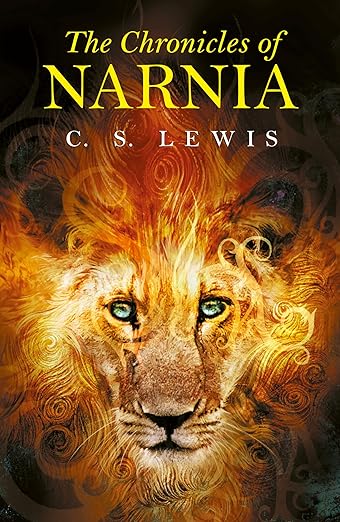
The Chronicles of Narnia by C.S. Lewis is a magical saga that blends adventure, allegory, and moral reflection. Reading it as an adult, after growing up with these stories, allowed me to appreciate the layers of meaning hidden beneath the fantastical world: themes of courage, faith, justice, and human fallibility. The saga also provides a remarkable lens into mid-20th-century perspectives on morality, leadership, and imagination.
-
The Lion, the Witch and the Wardrobe: The Pevensie children enter Narnia through the wardrobe and discover a land oppressed by the White Witch. The narrative explores themes of betrayal, redemption, and the power of hope. Aslan’s sacrifice is a profound allegory for courage and moral responsibility. The 2005 film captures both the grandeur of Narnia and the subtle emotional arcs of the characters. I was particularly struck by how Lucy’s innocence and faith allow her to perceive truths that adults often miss, reminding me of the value of trust and moral clarity.
-
Prince Caspian: Returning to Narnia, the children help Prince Caspian reclaim his throne, confronting political oppression and cultural erasure. The story is rich with symbolism about rightful leadership and the consequences of ignoring history. The 2008 film adaptation brings the battles to life, but the book’s introspective moments—such as Peter’s doubts and Caspian’s growth—remain deeply resonant. Reading it now, I recognize the importance of resilience, loyalty, and strategic wisdom in times of upheaval.
-
The Voyage of the Dawn Treader: This book is a journey across uncharted seas, exploring self-discovery, courage, and moral testing. Each island visited presents a trial, often reflecting human weaknesses such as greed, vanity, or cowardice. The 2010 film adaptation captures the adventure, but the novel’s subtleties—especially Eustace’s transformation from selfishness to empathy—are far more poignant in print. I was fascinated by how Lewis uses allegory to explore inner change as a form of true heroism.
-
The Silver Chair: Focused on Eustace and Jill, the story delves into fear, obedience, and discernment. The oppressive underground realm of the Lady of the Green Kirtle serves as a metaphor for moral confusion and the dangers of abandoning vigilance. Lewis’s portrayal of courage as a quiet, persistent effort rather than grandiose action resonated with me, showing that heroism often lies in perseverance, not spectacle.
-
The Horse and His Boy: Set during the reign of the Pevensies, this novel follows Shasta and Bree as they flee oppression and discover personal identity. The story addresses themes of freedom, loyalty, and destiny, with Narnia as both literal and symbolic landscape. I appreciated the way cultural misunderstandings and personal choices intersect, illustrating that the journey itself often teaches more than the destination.
-
The Magician’s Nephew: This prequel to Narnia’s creation introduces the origin of key artifacts and the founding of Narnia itself. The narrative examines curiosity, consequence, and moral choice through Digory and Polly’s actions. It deepened my understanding of the series’ cosmology and highlighted the stakes of power, responsibility, and foresight. Lewis’s interweaving of creation myth and personal accountability felt both profound and accessible.
-
The Last Battle: The conclusion of the saga is a meditation on mortality, justice, and the triumph of good over evil. Themes of faith, betrayal, and loyalty converge as Narnia faces apocalypse and renewal. Reading it now, I found new resonance in the allegorical weight of endings, moral reckoning, and the courage required to maintain integrity even in hopeless circumstances.
Revisiting The Chronicles of Narnia as an adult has been a deeply personal experience. These novels are imbued with nostalgia from childhood, yet their moral complexity, cultural reflection, and allegorical depth reveal themselves differently over time. I am struck by Lewis’s ability to blend wonder with wisdom, and by how these stories continue to provoke reflection on human nature, responsibility, and the courage it takes to act rightly in an imperfect world. The lessons of loyalty, hope, and ethical courage are as relevant now as they were in my earliest reading, reminding me that imagination and moral reflection are inseparable companions.
An interesting aspect of The Chronicles of Narnia is the order in which C.S. Lewis wrote the books. The saga was not written chronologically according to Narnia’s internal timeline. Lewis began with The Lion, the Witch and the Wardrobe in 1950, introducing the magical land and its central themes of courage, sacrifice, and moral growth. He then continued with sequels that expanded the Narnian world, exploring political intrigue, moral tests, and the consequences of human behavior. Only later, in 1955, did he write The Magician’s Nephew, a prequel explaining the creation of Narnia and the origin of key magical elements. Finally, The Last Battle concluded the saga in 1956, providing a reflective and allegorical ending.
This writing sequence reveals an evolution in Lewis’s thought. Early books focus on wonder, adventure, and moral lessons accessible to children, while later works delve into complex ethical dilemmas, the nature of power and leadership, and philosophical reflections on creation, destiny, and morality. Reading the books in this context allows an appreciation of how Lewis gradually deepened his exploration of human character, faith, and ethical responsibility, even as the stories remained engaging and magical.
The films bring Narnia to life visually, capturing the wonder and adventure of the books. The adaptations of The Lion, the Witch and the Wardrobe (2005), Prince Caspian (2008), and The Voyage of the Dawn Treader (2010) each emphasize the grandeur of the Narnian landscapes, the intensity of battle sequences, and the emotional arcs of the Pevensie children, yet reading the novels provides subtler reflections on courage, faith, and morality that cannot fully be conveyed on screen.